How to Prepare Your Home for Pest Treatment: A Guide to Safety and Effectiveness
Learn how to properly prepare your home for pest treatment - from ensuring access to protecting food and pets. A practical guide for safe and effective pest control.

Pest Control Manager at "Biogard" EOOD
- Published on
- min. read
- 4 min. read
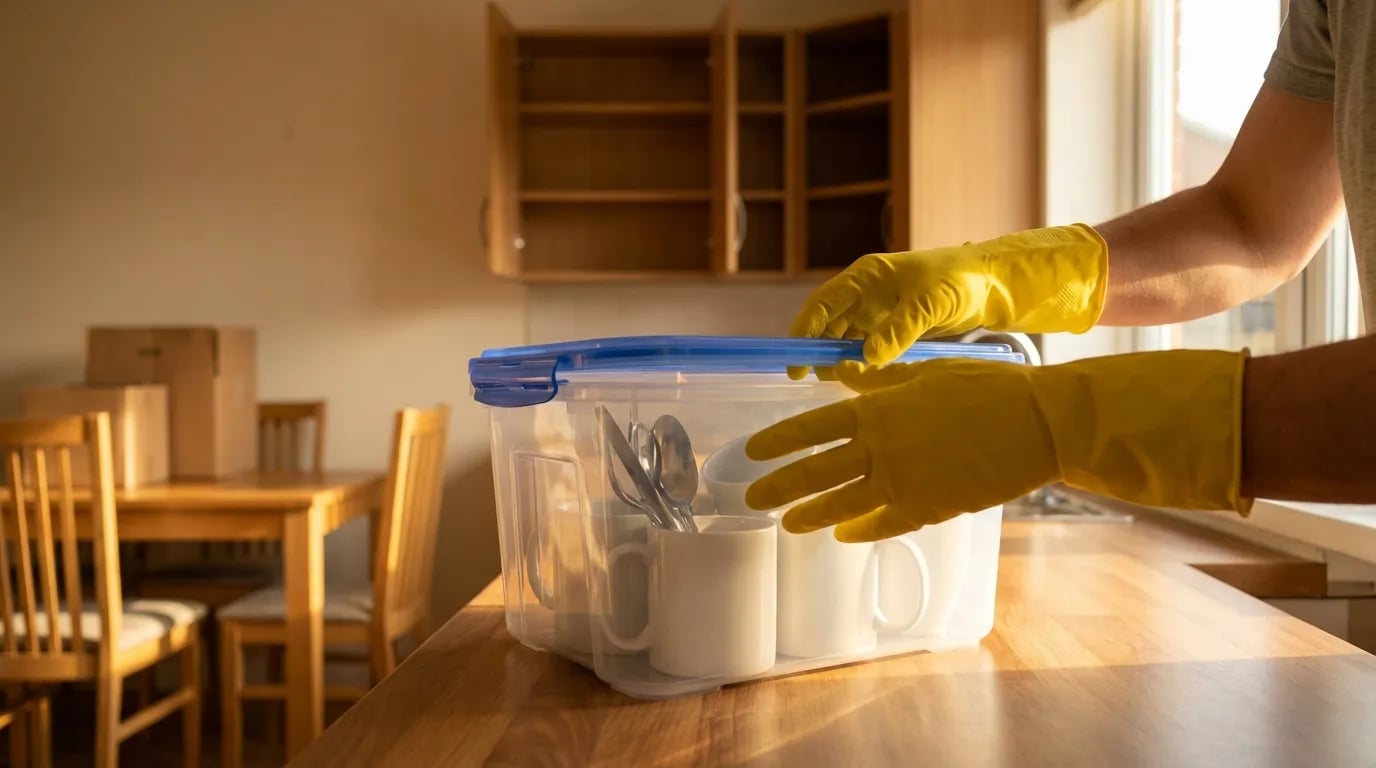
Table of Contents
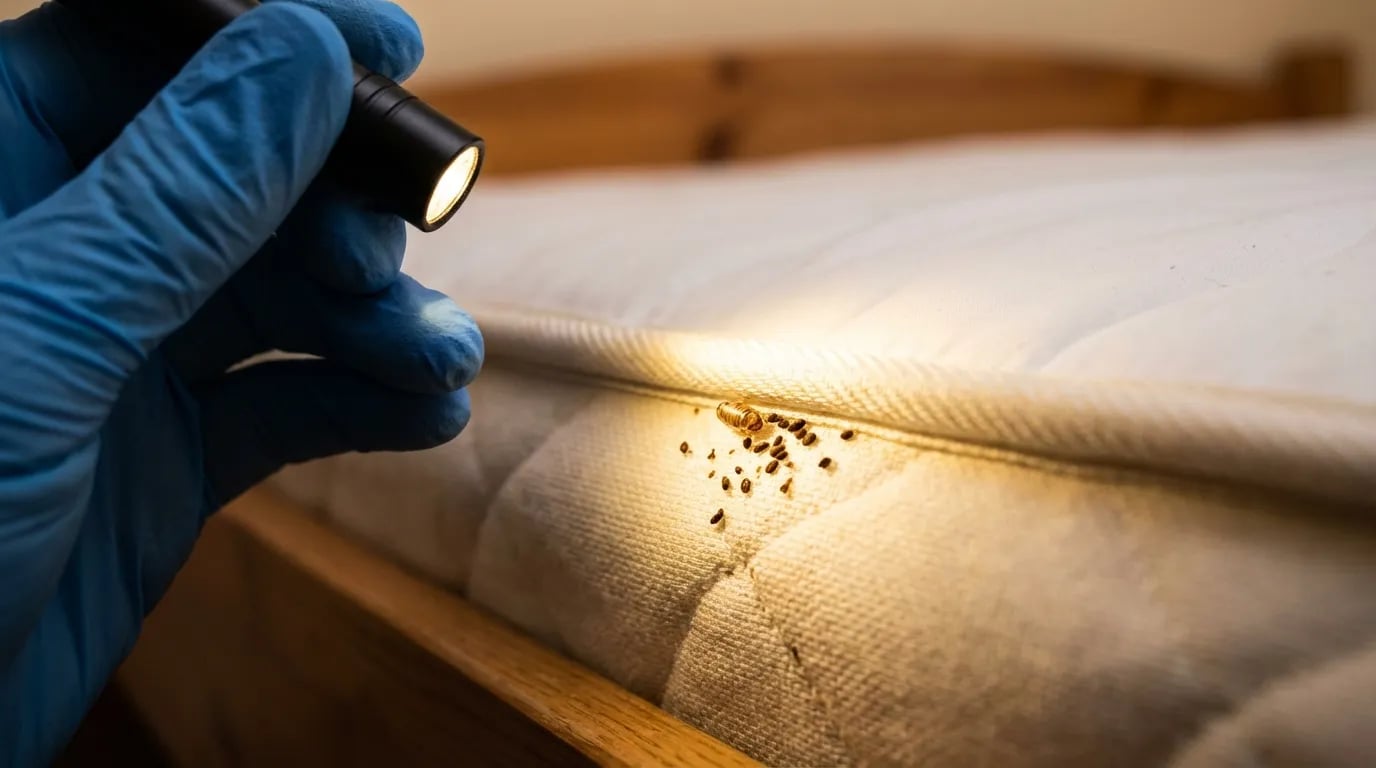
It is often believed that the appearance of pests in the home is a sign of poor hygiene. The truth, however, is quite different. No matter how immaculately we maintain cleanliness in our home, no one is immune to uninvited guests. Cockroaches can migrate from neighboring apartments through ventilation, bed bugs often arrive hidden in our luggage after travel, and rodents seek warmth during the cold months.
When we face this problem, there are two main paths before us: to try to deal with it ourselves using household products or to seek the services of a specialized DDD (Disinfection, Disinfestation, Deratization) company.
The Professional Approach: Diagnosis and Strategy
If you choose the second option - professional intervention - the process is strictly regulated. The licensed pest control specialist visits the home to conduct an inspection. Their role is that of a "doctor" for your home: they identify the type of pest, the stage of population development, and locate the nests. Based on this data, the specialist selects the most appropriate treatment method (spraying, aerosol treatment, gel application, or traps) and provides specific instructions for preparation. In this case, your task is simply to follow the given instructions.
Do It Yourself: How to Prepare the Ground?
If, however, you decide to take matters into your own hands (Option 1), the responsibility for proper preparation falls entirely on you. The effectiveness of the products depends directly on their access to the pests' hiding places. Here is how to approach it scientifically and safely:
1. Ensuring Access
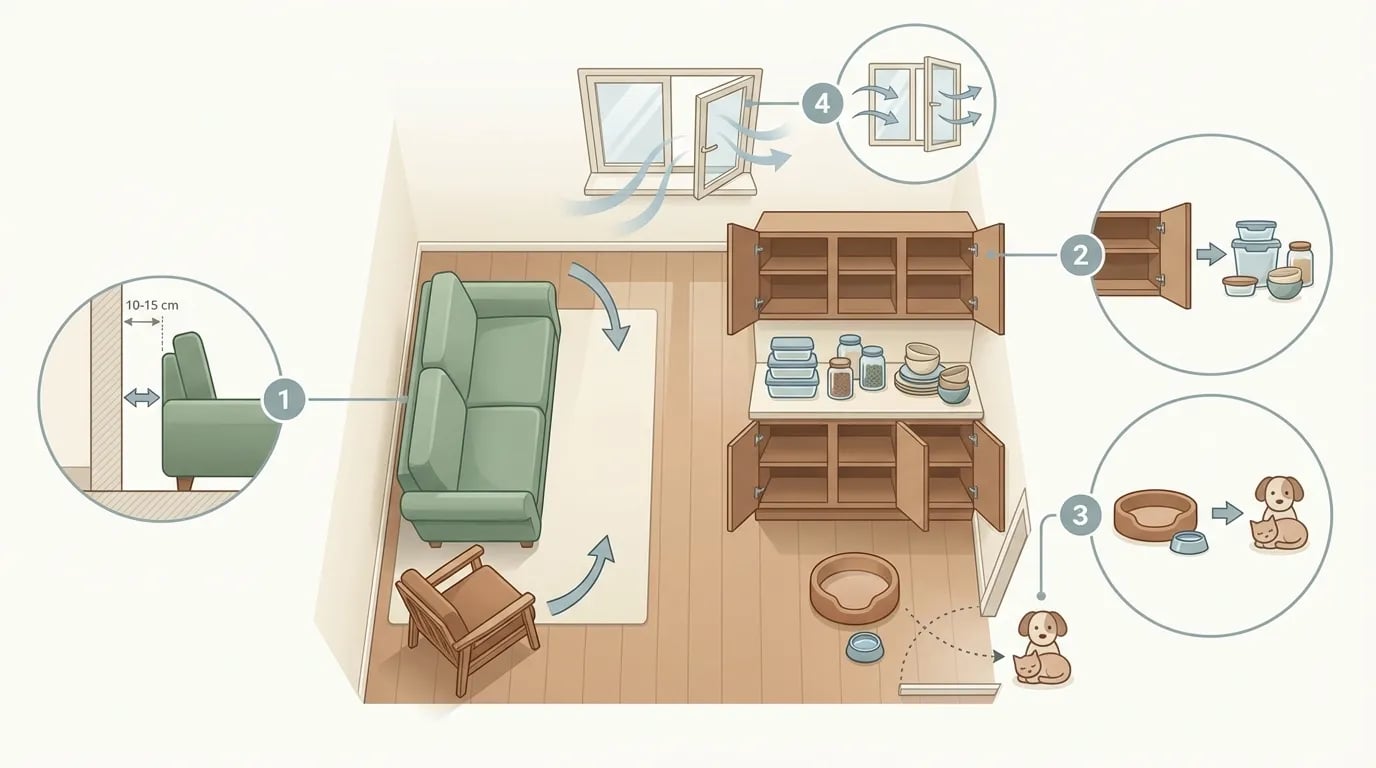
Most crawling insects (cockroaches, ants, spiders) move along walls and windowsills. If you are using liquid spraying products, you need to move furniture 10-15 cm away from the walls. This allows the application of a dense "barrier" layer of the product.
2. Treating Cabinets and Storage Areas
When fighting cockroaches or pantry pests (moths, beetles), the kitchen is a critical zone.
- Emptying: Cabinets, pantries, and wardrobes must be emptied of their contents so that the interior surfaces and hinge mechanisms, where insects often hide, can be treated.
- Cleaning: Before applying insecticide, clean dust and grease. Products work better on clean surfaces, as the active substances bond more easily with the surface, ensuring longer residual action (remanence).
3. Protecting Health: Food, Medicine, and Cosmetics
This is the most important step. Insecticides are biocides and must not come into contact with items that touch the human body.
- Food: All exposed food must be stored in the refrigerator or in tightly sealed containers (jars, boxes).
- Utensils and dishes: Forks, spoons, plates, and cups must be removed from the room or covered with plastic wrap.
- Personal items: Toothbrushes, razors, cosmetics, and medications must be stored in sealed cabinets or bags.
- Pets: Food and water bowls for animals must be put away. Aquariums are particularly sensitive - they must be sealed hermetically and the air pump must be turned off during treatment, as fish are extremely vulnerable to insecticides.
Quarantine Period and Treatment Methods
When using aerosols or pump spraying, there is a so-called quarantine period. This is the time needed for the product to dry and settle, and for the active fumes to dissipate. Typically, the dwelling must remain closed for several hours, after which it should be ventilated intensively before the occupants return.
However, there are also modern methods without quarantine:
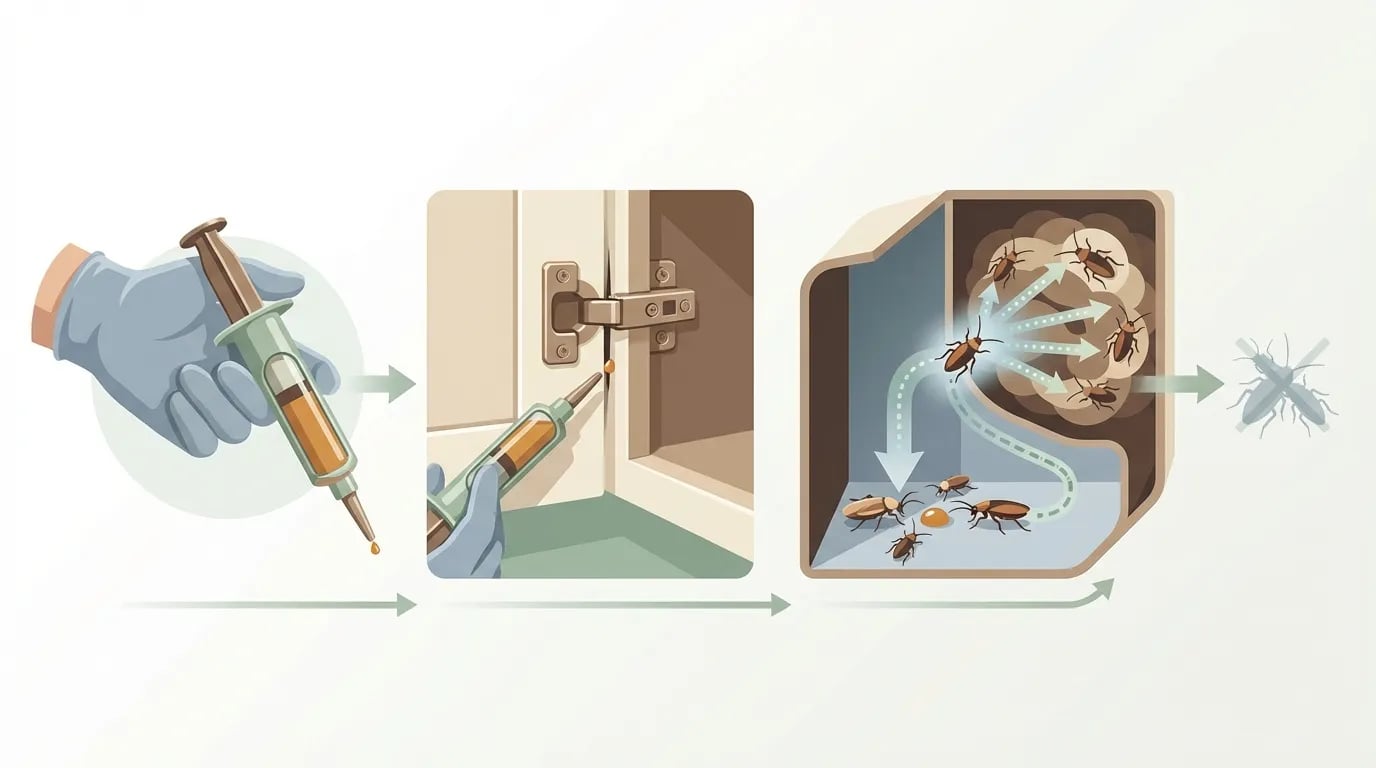
- Insecticidal gels and baits: These are extremely effective against cockroaches and ants. They are applied in small dots in hidden areas (hinges, behind appliances). They are safe for the respiratory system, odorless, and do not require leaving the home or removing dishes.
- Monitoring traps: Sticky boards are a non-toxic method for detecting the presence of pests, but they rarely solve the problem with the entire population on their own.
Warning: Danger With Rodents
If the problem involves rodents (mice or rats), the "do it yourself" approach carries serious risks. The use of poisonous baits (rodenticides) requires extreme caution. Most modern poisons are anticoagulants. If placed incorrectly and made accessible to children or pets (dogs/cats), the consequences can be fatal. Additionally, there is a risk of secondary poisoning if a pet eats the poisoned rodent.
Conclusion
Although DIY pest control may seem like a cheaper option, it requires serious knowledge, preparation time, and carries risks with improper application of products.
The professional approach remains the safer choice. Specialists have access to professional-grade products that are not sold in retail, they understand the biology of the pest, and they can guarantee the safety of your family and pets. Investing in a professional DDD service often saves not only money from ineffective attempts but also valuable peace of mind.
Pest Control Manager at "Biogard" EOOD
Iliyan Dimitrov is the Head of Pest Control (DDD) at Biogard Ltd. He leads disinsection, deratisation and disinfection operations for clients across the Ruse, Razgrad, Targovishte and Silistra regions.
All articles by the author