
Entrances, basements and common areas
Pest control for block entrances, basements and common areas
Ensure peace of mind and hygiene for all residents with our specialized pest control services for common areas of residential buildings and adjacent spaces.
Price: individual quote after a free on-site inspection.
We serveRuse · Razgrad · Targovishte · Silistra
Benefits
Benefits for residential buildings
Healthy Environment
Maintaining residential buildings free from pests.
Common Areas and Apartments
Treatment of both common areas and individual residences.
Prevention
Regular treatments to prevent reoccurrence.
Safety for Residents
Application of methods safe for all inhabitants.
Communication with Building Managers
Coordinating activities with building management.
Flexible Scheduling
Accommodating residents' convenience when planning.
How we work
What to expect
When servicing residential buildings, the process includes the following steps:
Pest Identification and Infestation Assessment
We will identify the types of pests present in the building and assess the degree of infestation. For each type of pest, we will analyze specific pathways of spread. For example, with fleas, we'll check if they are spread by rodents or pets, and with cockroaches, we'll look for the main sources of infestation.
Structure and Environment Analysis
We will assess the building structure, looking for potential entry points for pests such as cracks, holes, or damaged windows. We will also analyze adjacent areas, including gardens and parking lots, which can serve as shelters for pests.
Thorough Inspection of Common Areas
Our team will conduct a detailed inspection of all common spaces, including stairwells, elevator shafts, basements, attics, and adjacent areas. Special attention will be paid to connections between individual apartments, such as ventilation systems and plumbing, which can serve as pathways for pest spread.
Development of a Specific Treatment Strategy
We will develop a treatment plan that includes methods such as insect spraying, rodent baiting, and disinfection, adapted to the common areas (basements, stairwells, attics) and the identified pests.
Coordination with Property Management
We will work closely with the property manager to coordinate access to all common areas and inform residents about the upcoming treatment. We will provide clear instructions for preparing common spaces before treatment.
Treatment Implementation
We will perform the planned treatment (spraying, disinfection, etc.) of all common areas, using approved products and methods that are safe for residents and pets when instructions are followed.
Follow-up Actions and Prevention
After treatment, we will provide a detailed report to the property management, including recommendations for preventing future infestations. This may include advice on improving hygiene in common areas, repairing damaged structures (such as broken windows or cracks in walls), and regular building maintenance. We will also propose a plan for periodic inspections and preventive treatments.
Pests
Common pests in residential buildings

Cockroaches
Often hide in basements, around pipes and shafts. Professional cockroach treatment in common areas is necessary for comprehensive control in the building.
More about cockroaches
Mice and Rats
Commonly found in basements and common areas of buildings, attracted by waste. Rodent control in common areas prevents damage to building infrastructure.
More about mice and rats
Bed Bugs
Can spread quickly between apartments in residential buildings.
More about bed bugs
Ants
Often invade through small cracks in buildings.
More about ants
Fleas
Can be carried by pets or other animals.
More about fleas
Wasps
Can build nests on balconies and in common areas of buildings.
More about wasps
Pigeons
Create problems on roofs and terraces of residential buildings.
More about pigeons
Questions
Frequently Asked Questions
How is cockroach treatment organized in a residential building?
We work directly with the property manager to organize effective treatment in common areas, basements, and attics. We inform all residents in advance about the date and time of treatment.
Should all apartments be treated along with common areas?
For maximum effect in case of severe cockroach infestation, combined treatment of all apartments and common areas is recommended. Our core service focuses on treating basements, stairwells, and other common areas.
How long does cockroach treatment in common areas of a building take?
The time required for cockroach treatment in common areas depends on the size of the building and the degree of infestation. Typically, treating common areas takes between 30 minutes to an hour.
How can we prevent cockroaches from reappearing after treatment?
After cockroach treatment, it's important to maintain good hygiene in common areas, seal cracks and holes in walls, and ensure regular preventive treatments every 3-6 months.
How much do your services cost?
The cost for treatment in a residential building depends on the number of floors, the area of common spaces, and the degree of infestation. For an accurate quote, please contact us for a free consultation.
From the blog
Related Posts
 8 min read
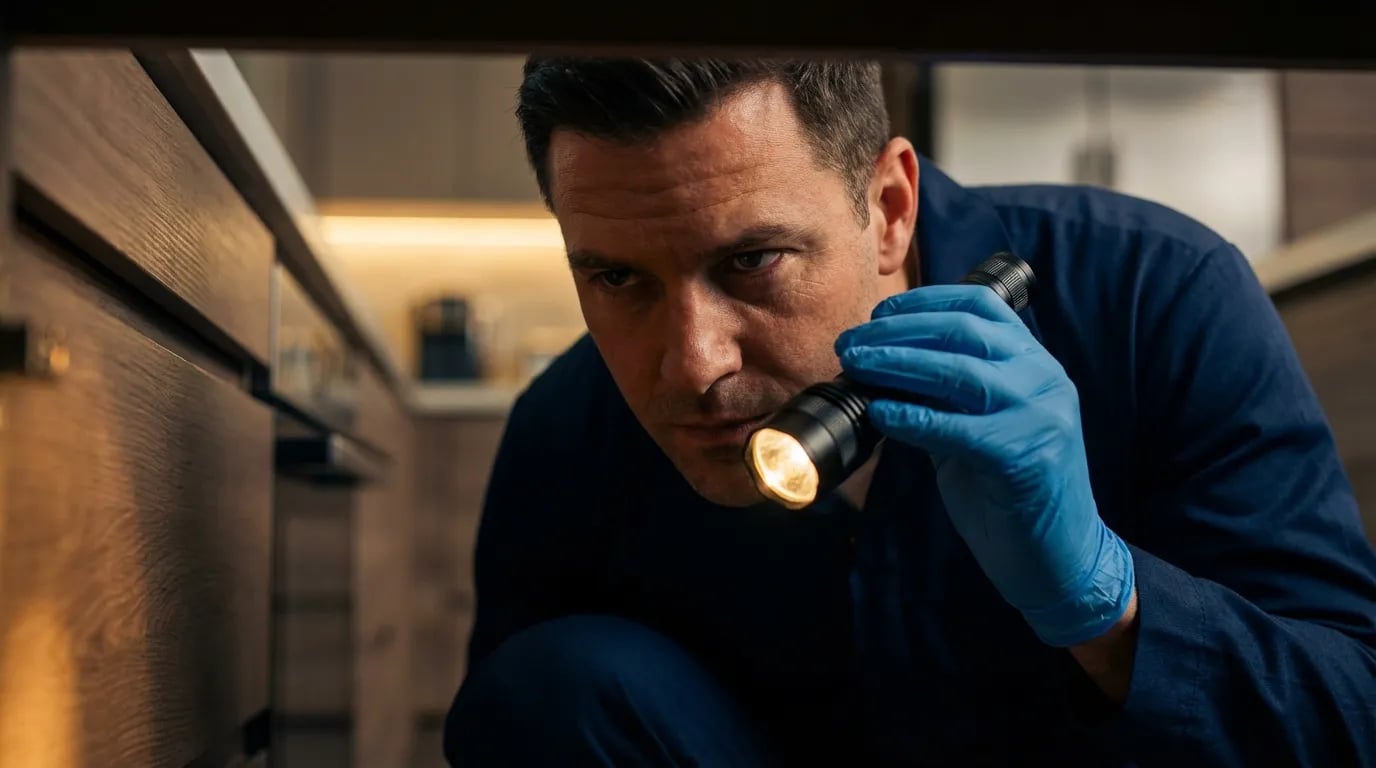
Every Property Is Unique: Why You Cannot Get an "Exact" Pest Control Quote Over the Phone
Why can't we give a final price over the phone? Every property is unique and requires an individual approach - from inspection to the choice of methods and products.
Read the article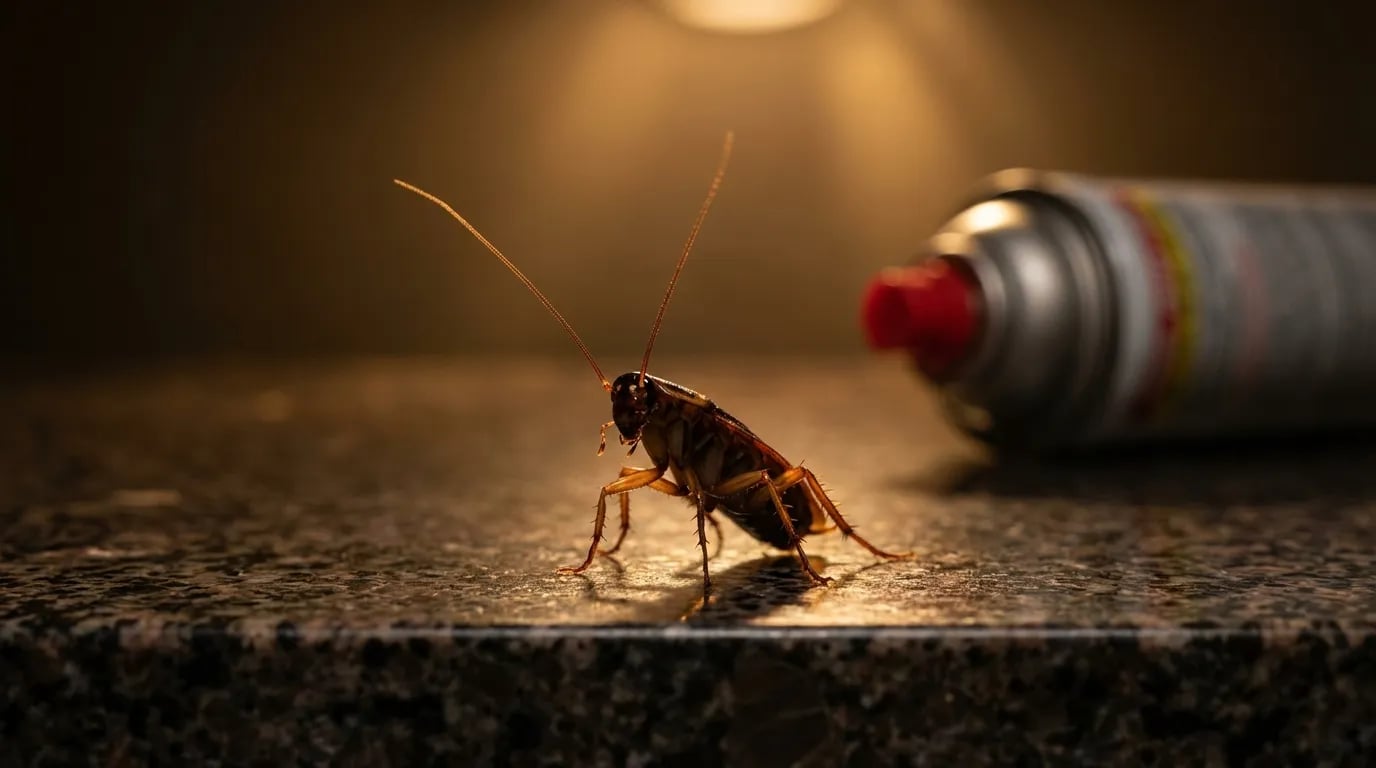 7 min read
Why Pests Become "Immortal": The Problem of Resistance to Household Pest Control Products
Why do cockroach and ant sprays stop working? We examine the phenomenon of resistance, the mistakes we make, and why professional intervention is often the only solution.
Read the article
Free inspection
The on-site inspection is free
We come to your address, identify the pest and how far the infestation has spread, and give you a clear quote before any work starts.