
Rodents
Mouse: identification and control
A small rodent that squeezes through 6 mm gaps and damages cables and food. Biogard delivers deratization with traps and secured bait stations.
Small creatures with a big appetite for your cables and food (and pesticide)! Biogard offers professional deratization for effective elimination of mice and rats.
Physical characteristics
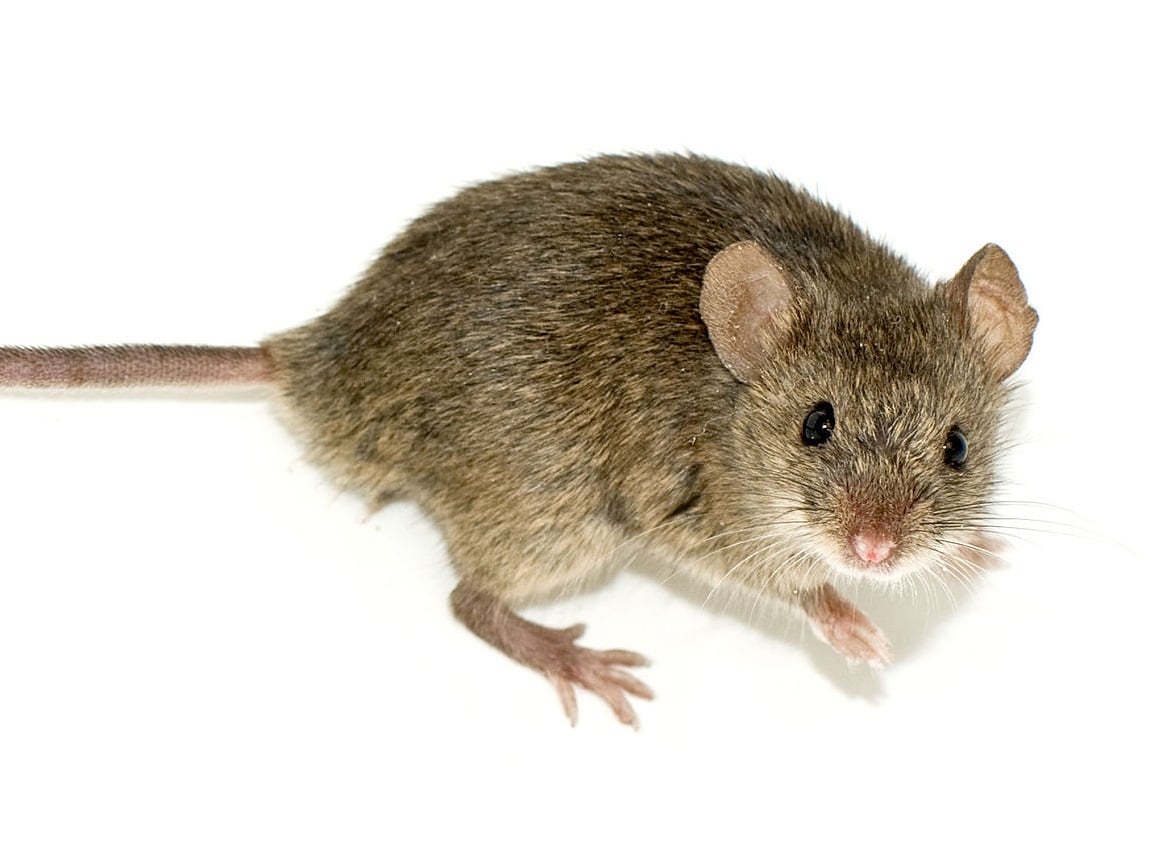
The house mouse is a small rodent with a body length of 6-9 cm and a tail of 7-10 cm. Its fur is usually grayish-brown on top and lighter underneath, but the color can vary. It has large ears, a pointed snout, and small black eyes. The tail is covered with fine hairs and is almost as long as the body and head combined. It weighs between 12 and 30 grams.
Biology and behavior
These rodents are extremely adaptable and live close to humans in homes, warehouses, and fields. They are primarily active at night but can also be seen during the day. House mice are omnivorous but prefer grains and seeds. They are excellent climbers and can squeeze through openings as small as 6 mm in diameter. They reproduce quickly - the female gives birth to 5-10 young every 3-4 weeks, and sexual maturity is reached at 6-8 weeks of age.
Harm
House mice can cause significant damage in homes and businesses. They contaminate food and surfaces with urine and feces, which can lead to the spread of diseases like Salmonella and leptospirosis. Rodents damage insulation, electrical wires (creating a fire risk), and wooden structures. Additionally, they can cause allergic reactions in some people. The noise from their activity can disrupt sleep and peace in the home.
What you can do
Seal all openings and cracks larger than 6 mm in walls, floors, and the building's foundation. Store food in tightly sealed containers and regularly dispose of garbage. Maintain cleanliness and order, removing potential shelters. Use baited traps in areas where you have noticed signs of mice. Remove water sources like leaking faucets and damp areas. You can use ultrasonic devices, although their effectiveness is debatable.
How we treat it
Professional control
Our pest control experts from Biogard use an integrated approach to eliminate mice. We apply a combination of mechanical traps and anticoagulant rodenticides in protected deratization bait stations, inaccessible to children and pets. We conduct a thorough inspection to identify and seal entry points. We offer long-term monitoring and prevention programs through our deratization pest control services.
We set the exact price after a free on-site inspection.
How the price is setRodents
Other types of rodents

Black Rat
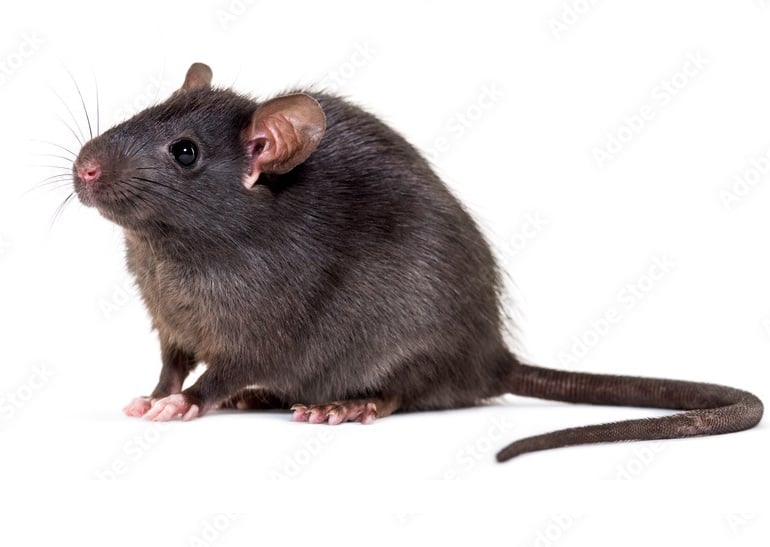
The roof rat, an excellent climber nesting in attics and high places. Biogard offers deratization with secured stations and sealing of entry points.
Open page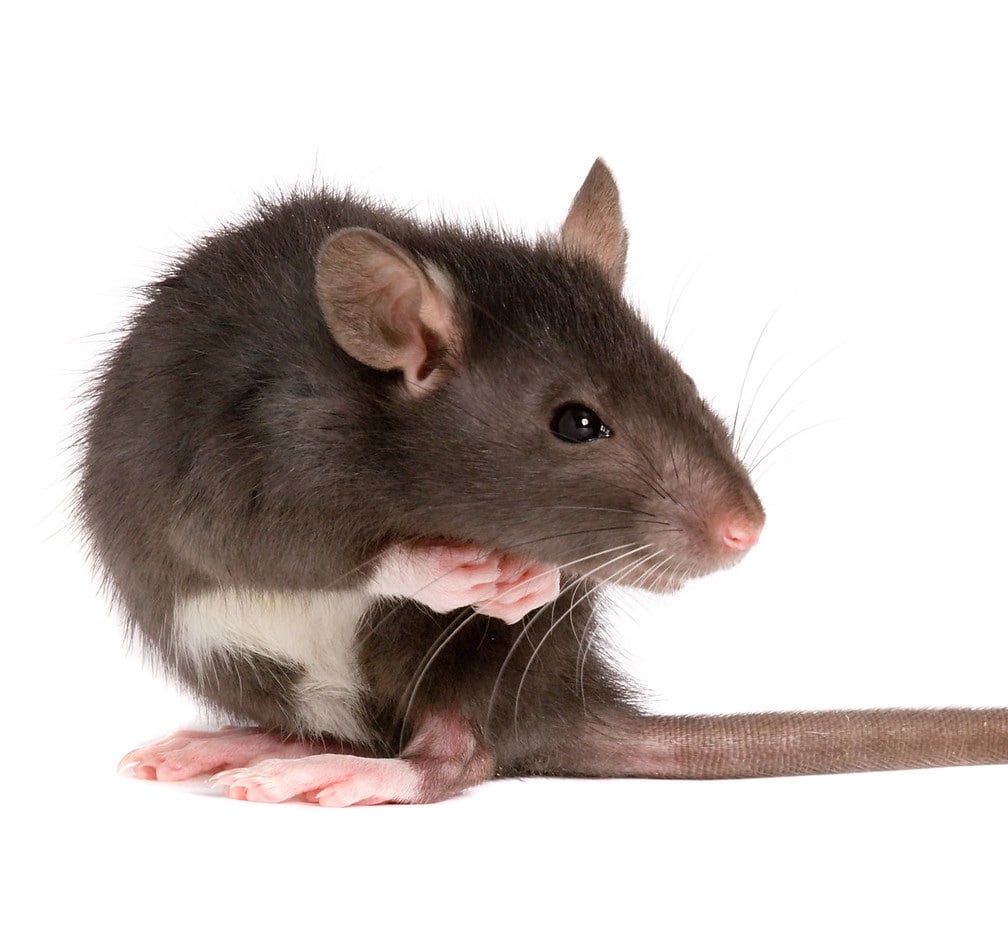
Brown Rat
The largest synanthropic rodent, a burrower and swimmer living in sewers and at ground level. Biogard applies integrated deratization and rodent barriers.
Open page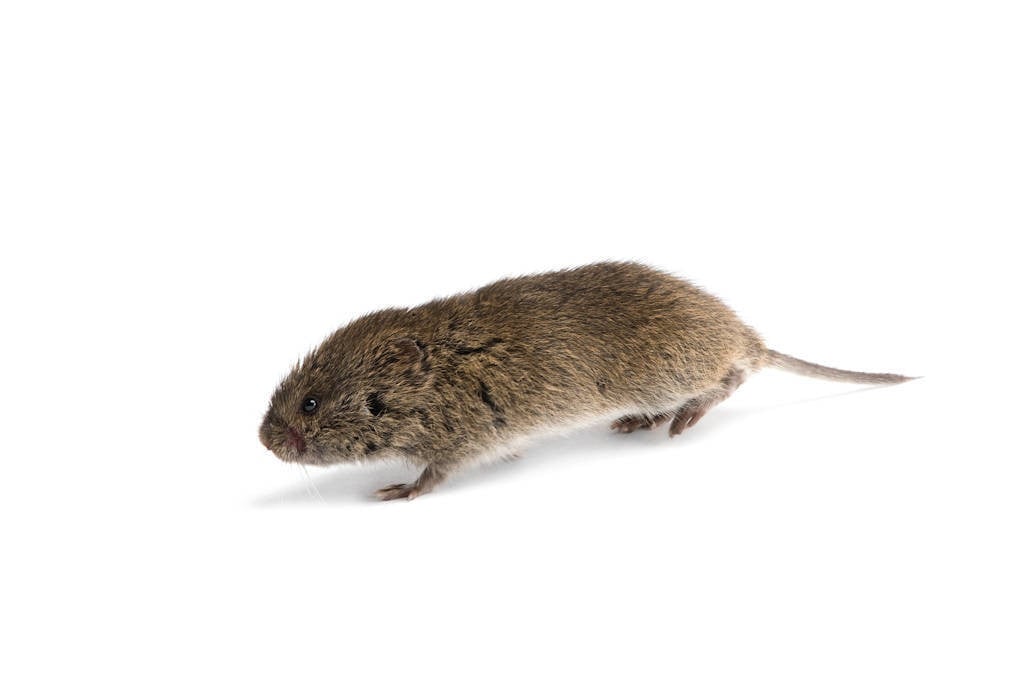

Vole
A herbivorous rodent damaging roots and bark of young trees in gardens and orchards. Biogard applies eco-friendly integrated control with traps and prevention.
Open page
Free inspection
Dealing with mice?
The inspection and quote are free. We come to the property, identify the species and the extent of the infestation, and propose a treatment plan with a guarantee.