
Greenhouses
Aphids: identification and control
Tiny green vampires that love your plants more than you do!
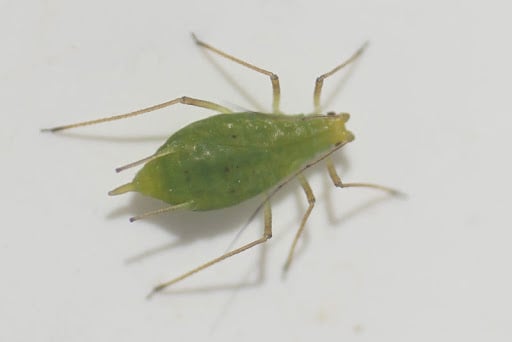

Physical characteristics
Aphids are small, soft-bodied insects, 1-7 mm long. They have an oval shape, long antennae, and a pair of tubes (cornicles) at the rear of the body. Their color varies from green, yellow, and black to pink, depending on the species.
Biology and behavior
They feed on plant sap, piercing leaves and stems with specialized mouthparts. They can reproduce both sexually and asexually. Under favorable conditions, females can give birth to live young without needing fertilization. Some species develop wings when overcrowded or conditions deteriorate.
Harm
Aphids weaken plants by sucking nutrients from them. They can cause deformation of leaves and stems. They excrete a sticky substance (honeydew) that attracts ants and promotes the growth of sooty mold on leaves. Additionally, they are carriers of various plant viruses.
What you can do
Regularly inspect plants for signs of infestation. Remove aphids mechanically with a strong jet of water or by hand. Encourage natural predators like ladybugs and lacewings. Use insecticidal soaps or oils for more severe infestations. Avoid excessive nitrogen fertilization, which stimulates the growth of soft shoots attractive to aphids.
How we treat it
Professional control
Our specialists offer an integrated approach to aphid control. We conduct a thorough assessment of affected plants and apply targeted treatments with biological or chemical insecticides. We use systemic products for long-lasting plant protection. We also offer biological control strategies, including the introduction of beneficial insects. We provide advice on proper plant care to reduce their vulnerability to aphids.
We set the exact price after a free on-site inspection.
How the price is setFree inspection
Dealing with aphids?
The inspection and quote are free. We come to the property, identify the species and the extent of the infestation, and propose a treatment plan with a guarantee.