
Homes and buildings
Spiders: identification and control
Eight-legged architects of aerial castles!
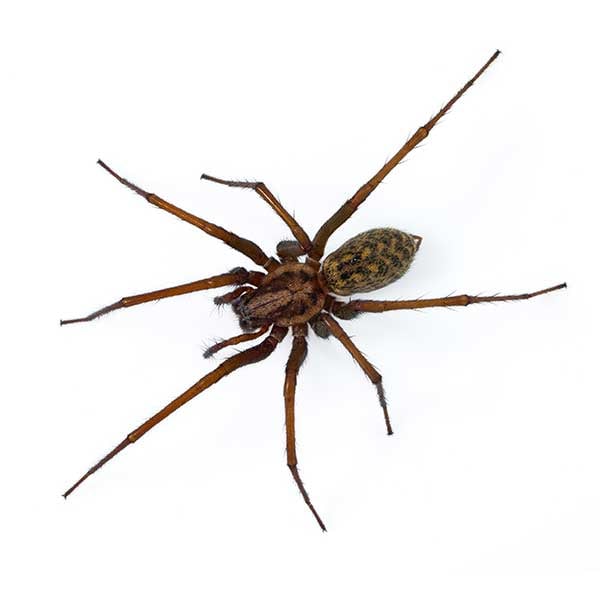

Physical characteristics
Spiders have eight legs, two main body parts (cephalothorax and abdomen), and usually 8 eyes. Their size varies significantly, from a few millimeters to several centimeters, depending on the species.
Biology and behavior
Spiders are predators that feed primarily on insects. They produce silk, which they use to build webs, create shelters, and for other purposes. Most species prefer dark, quiet places like corners, basements, and attics.
Harm
Most spiders are harmless and actually beneficial as they control populations of other insects. However, some species can have a venomous bite. Their presence can cause anxiety in some people, and their webs can create an impression of neglect.
What you can do
Regularly clean and remove cobwebs. Seal cracks and openings through which spiders can enter. Reduce clutter that can serve as shelter. Use natural repellents like peppermint or lavender oils around entry points.
How we treat it
Professional control
Our approach to spider control includes identifying species and their entry points. We apply targeted treatments in key areas, use powder insecticides in cracks and crevices, and place sticky traps for monitoring. We also offer long-term prevention strategies, including sealing entry points and removing attracting factors.
We set the exact price after a free on-site inspection.
How the price is setFree inspection
Dealing with spiders?
The inspection and quote are free. We come to the property, identify the species and the extent of the infestation, and propose a treatment plan with a guarantee.