
Rodents
Brown Rat: identification and control
The largest synanthropic rodent, a burrower and swimmer living in sewers and at ground level. Biogard applies integrated deratization and rodent barriers.
Small creatures with a big appetite for your cables and food (and pesticide)! Biogard offers professional deratization for effective elimination of mice and rats.
Physical characteristics
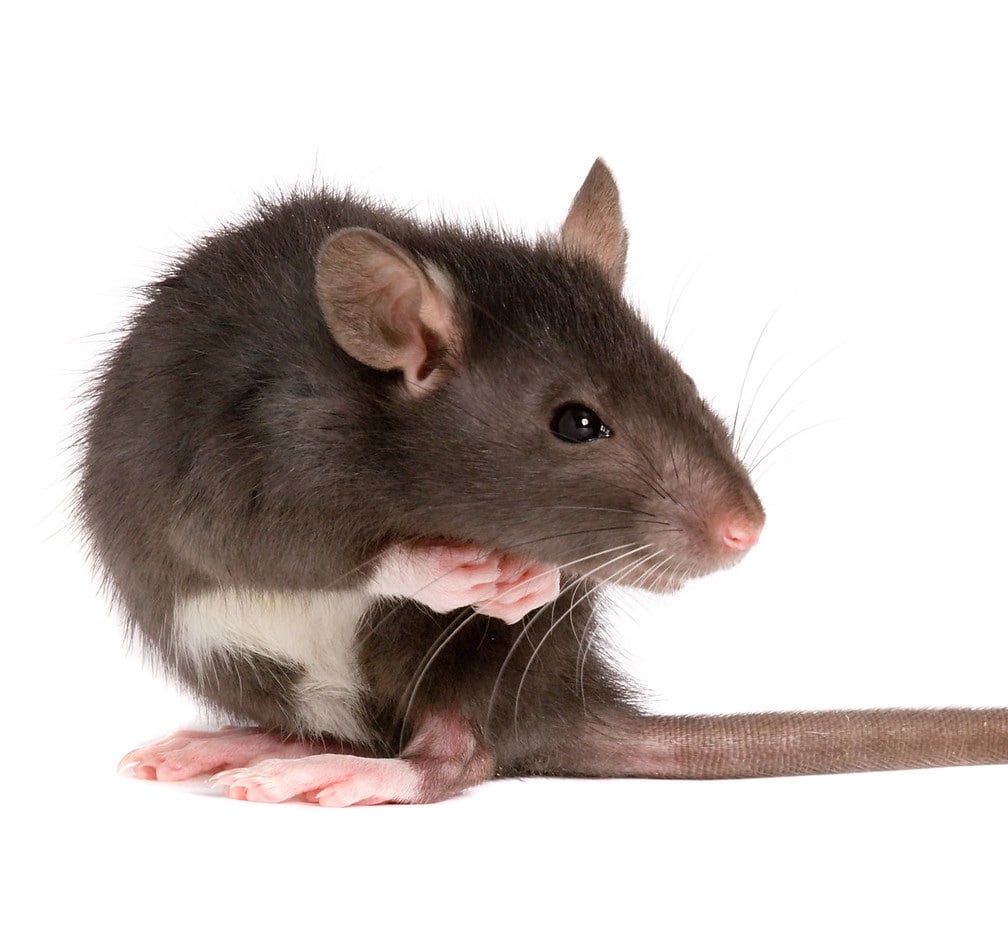
The brown rat, also known as the Norway or sewer rat, is the largest synanthropic rodent with a body length of 20-25 cm and a tail shorter than its body (15-22 cm). Its fur is coarse, usually brownish-gray on top and lighter underneath. It has small ears, a short and blunt snout, and small eyes. The tail is scaly and almost bare. It weighs between 200 and 500 grams, with males being larger than females.
Biology and behavior
These rats are excellent swimmers and burrowers, preferring to live at ground level or underground. They are primarily active at night but can be seen during the day in large populations. They are omnivorous, consuming almost anything edible to humans, with a preference for meat and fresh grains. They live in colonies with a clear hierarchy. The female gives birth to 6-12 young every 3 months. Sexual maturity is reached at 3-4 months of age. Their lifespan is up to 2-3 years.
Harm
Brown rats are serious pests, causing significant economic losses and health risks. They contaminate and destroy large quantities of food and feed. They transmit dangerous diseases such as leptospirosis, Salmonella, and hantavirus through their urine and feces. They gnaw on electrical wires, water pipes, and even concrete, causing structural damage to buildings. In agricultural areas, they attack poultry and small animals. Additionally, they can cause fires by gnawing through electrical installations.
What you can do
Seal all openings and cracks in the foundations, walls, and roof of the building. Remove food sources by storing products in metal containers and regularly disposing of garbage. Remove potential shelters like piles of waste and dense vegetation around buildings. Keep grass cut low. Use rodent-proof compost bins. Install rat guards on sewer pipes. You can use mechanical traps, but be careful when handling them.
How we treat it
Professional control
Our experts apply an integrated approach to control brown rats. We use a combination of highly effective rodenticides in protected stations and mechanical traps. We conduct a thorough inspection of the property to identify and eliminate all entry points and food sources. We implement rodent exclusion strategies, including sealing openings and installing barriers. We offer long-term monitoring and prevention programs, including regular checks, maintenance of control equipment, and adapting the deratization strategy as needed.
We set the exact price after a free on-site inspection.
How the price is setRodents
Other types of rodents

Mouse
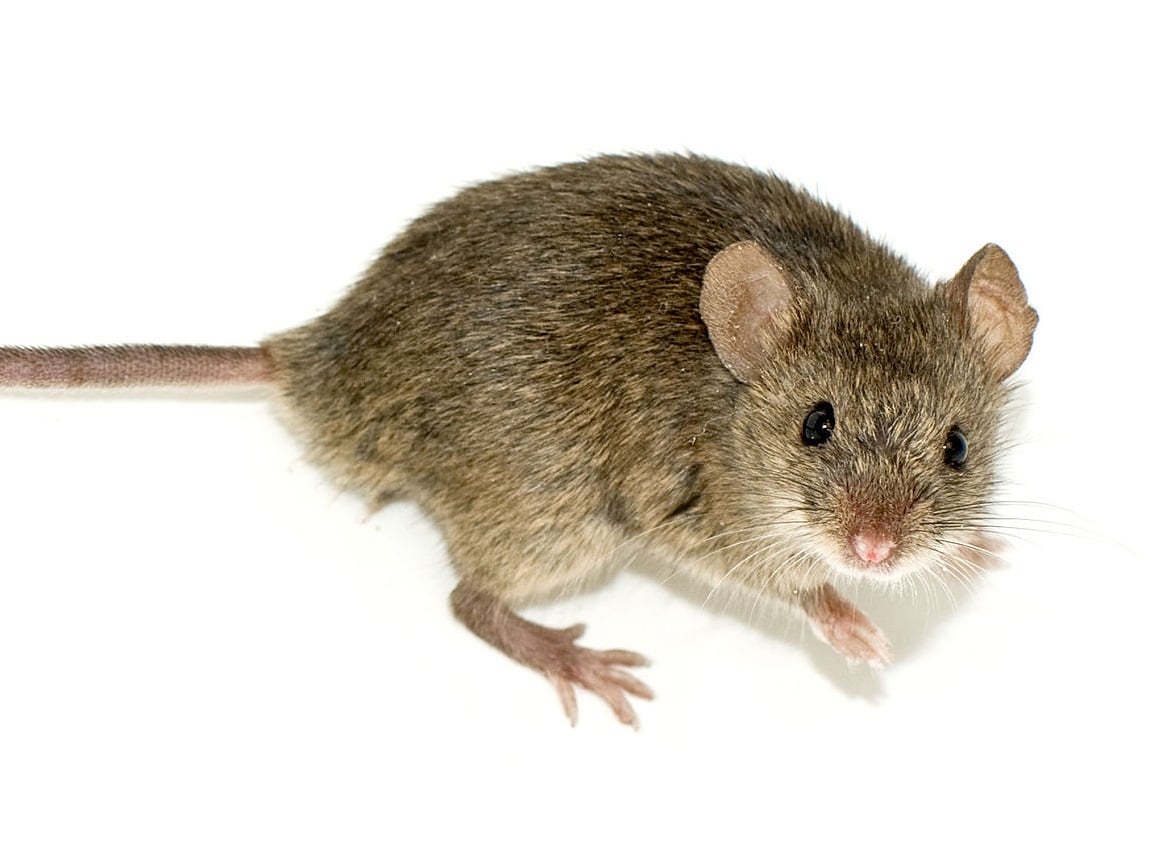
A small rodent that squeezes through 6 mm gaps and damages cables and food. Biogard delivers deratization with traps and secured bait stations.
Open page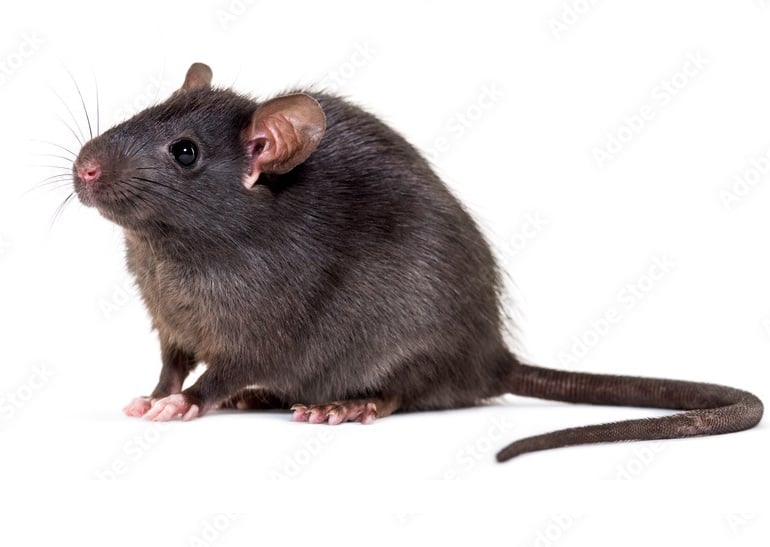

Black Rat
The roof rat, an excellent climber nesting in attics and high places. Biogard offers deratization with secured stations and sealing of entry points.
Open page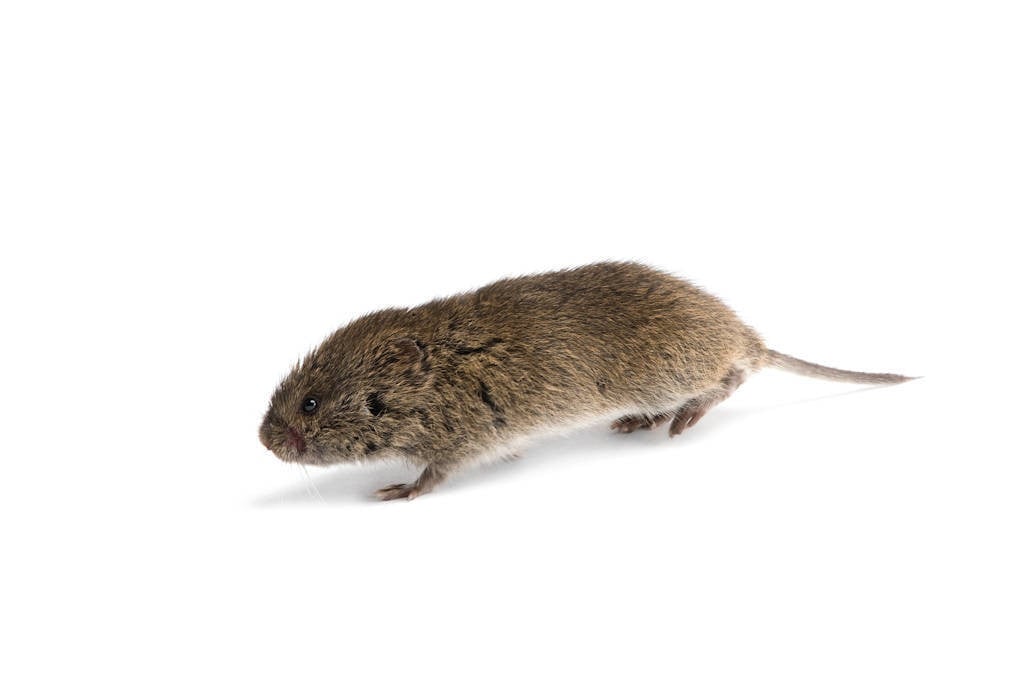
Vole
A herbivorous rodent damaging roots and bark of young trees in gardens and orchards. Biogard applies eco-friendly integrated control with traps and prevention.
Open page
Free inspection
Dealing with rats?
The inspection and quote are free. We come to the property, identify the species and the extent of the infestation, and propose a treatment plan with a guarantee.