
Rodents
Vole: identification and control
A herbivorous rodent damaging roots and bark of young trees in gardens and orchards. Biogard applies eco-friendly integrated control with traps and prevention.
Small creatures with a big appetite for your cables and food (and pesticide)! Biogard offers professional deratization for effective elimination of mice and rats.
Physical characteristics
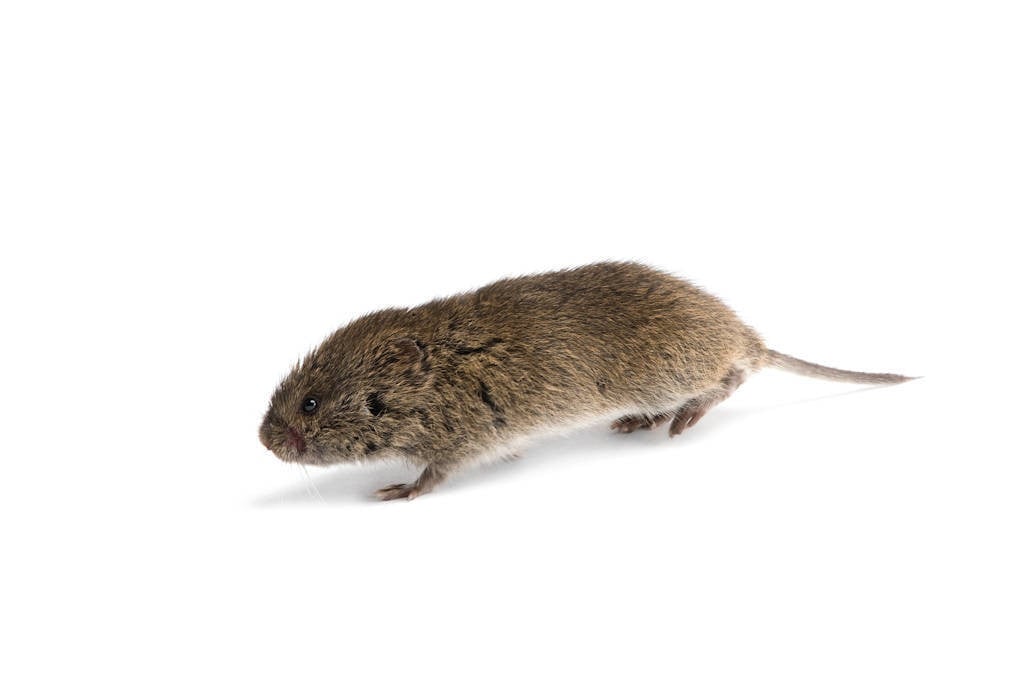
The vole is a small rodent with a compact body, 9-14 cm long, and a short tail (3-6 cm). Its fur is dense and soft, usually brownish or grayish on top and lighter underneath. It has small, round ears, often hidden in the fur, and small eyes. The snout is blunt and rounded. The legs are short, and the tail is covered with hair. It weighs between 15 and 50 grams, depending on the species.
Biology and behavior
Voles are primarily herbivorous, feeding on various plant parts, including roots, stems, leaves, and seeds. They are active both day and night, especially at dusk. They live in complex underground systems of tunnels and nests. They reproduce extremely quickly - a female can give birth to up to 10 young every 3 weeks during the breeding season. Sexual maturity occurs very early, sometimes as early as 3 weeks of age. Their lifespan is short, usually less than a year.
Harm
Despite their small size, voles can cause significant damage in gardens, orchards, and agricultural areas. They feed on the roots and bark of young trees, which can lead to plant death. In vegetable gardens, they consume and damage crops. Their tunnels can disrupt soil structure and damage irrigation systems. In large numbers, voles can destroy entire meadows or pastures. Additionally, they are carriers of various diseases, including tularemia and leptospirosis.
What you can do
Keep grass cut low and remove fallen leaves and other plant debris that provide cover. Use protective metal mesh around the bases of young trees and shrubs. Install barriers of fine gravel or crushed shells around valuable plants. Encourage natural predators like owls and hawks by providing suitable perching spots. You can use baited traps or apply repellents around plants. Avoid overwatering, which makes the soil attractive to voles.
How we treat it
Professional control
Our specialists use an integrated approach to vole control, tailored to the ecological conditions and specific needs of your property. This includes a detailed analysis of the situation, identification of entry points and affected areas, use of various trapping and baiting methods, as well as application of biological control agents. Our methods are environmentally safe and effective in the long term. We also offer consultations and preventive measures to prevent the reappearance of voles on your property.
We set the exact price after a free on-site inspection.
How the price is setRodents
Other types of rodents

Mouse
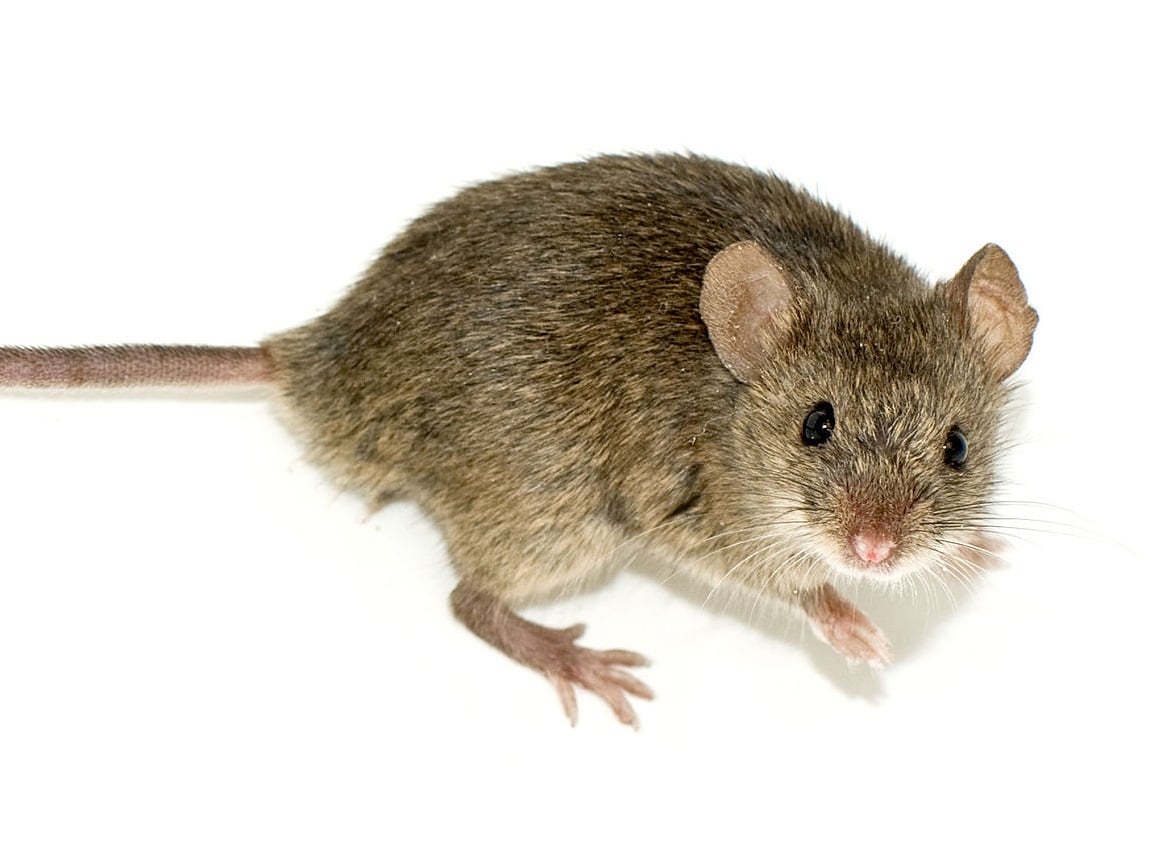
A small rodent that squeezes through 6 mm gaps and damages cables and food. Biogard delivers deratization with traps and secured bait stations.
Open page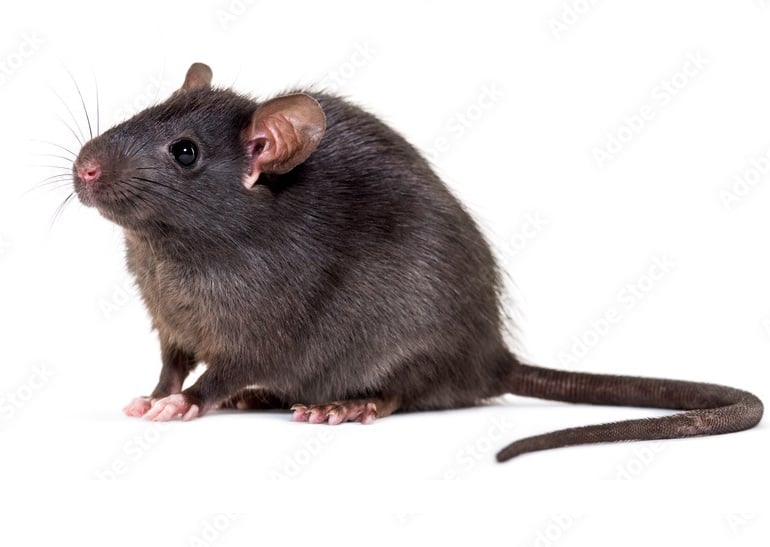

Black Rat
The roof rat, an excellent climber nesting in attics and high places. Biogard offers deratization with secured stations and sealing of entry points.
Open page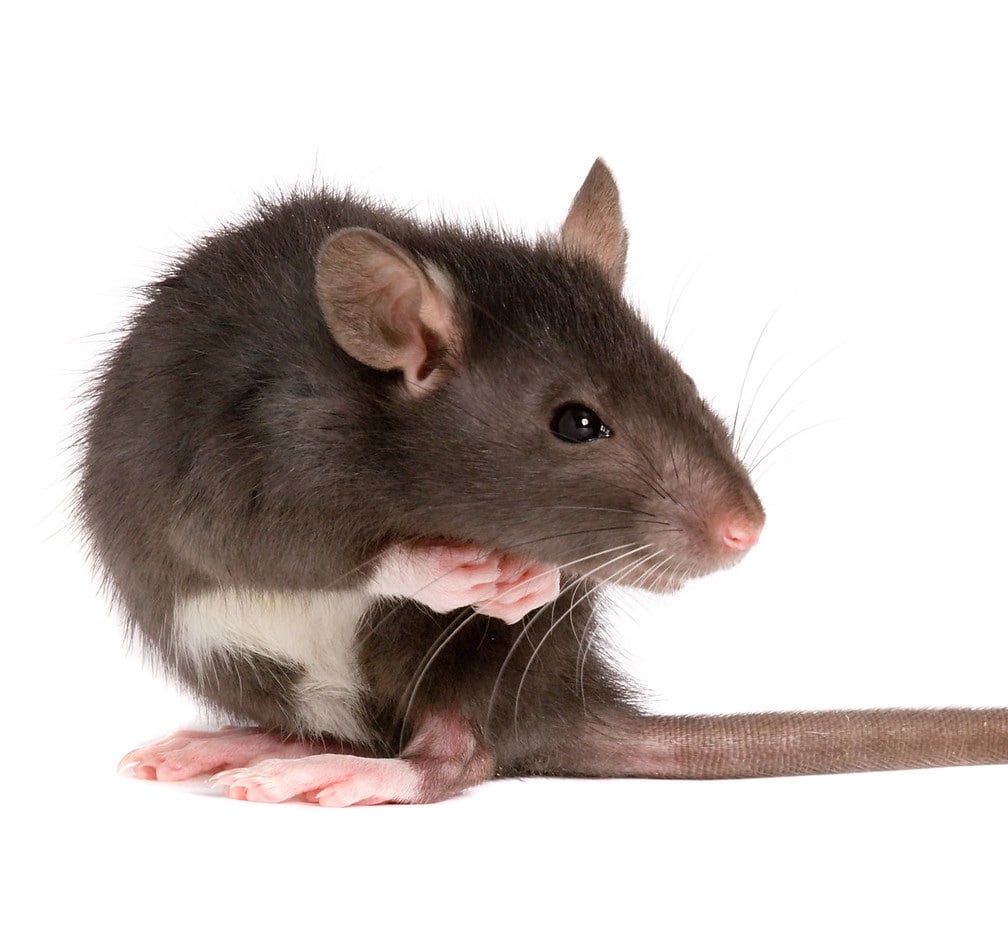
Brown Rat
The largest synanthropic rodent, a burrower and swimmer living in sewers and at ground level. Biogard applies integrated deratization and rodent barriers.
Open page
Free inspection
Dealing with voles?
The inspection and quote are free. We come to the property, identify the species and the extent of the infestation, and propose a treatment plan with a guarantee.